Legit Store Apothecary
Healthcare, Delivered with Care
A modern apothecary blending licensed clinical pharmacy with botanical wellness — quietly dispensed, carefully delivered, and authentic down to the last capsule.
FDA-Approved Meds
Discreet Packaging
A+ Certified Care

Discreet DeliveryUnbranded packaging for total privacy.
Licensed Pharmacy100% FDA-approved medications.
Secure BillingBank-grade encryption on all data.
Expert Support24/7 access to licensed pharmacists.
Clinical Integrity
How LegitStore Works
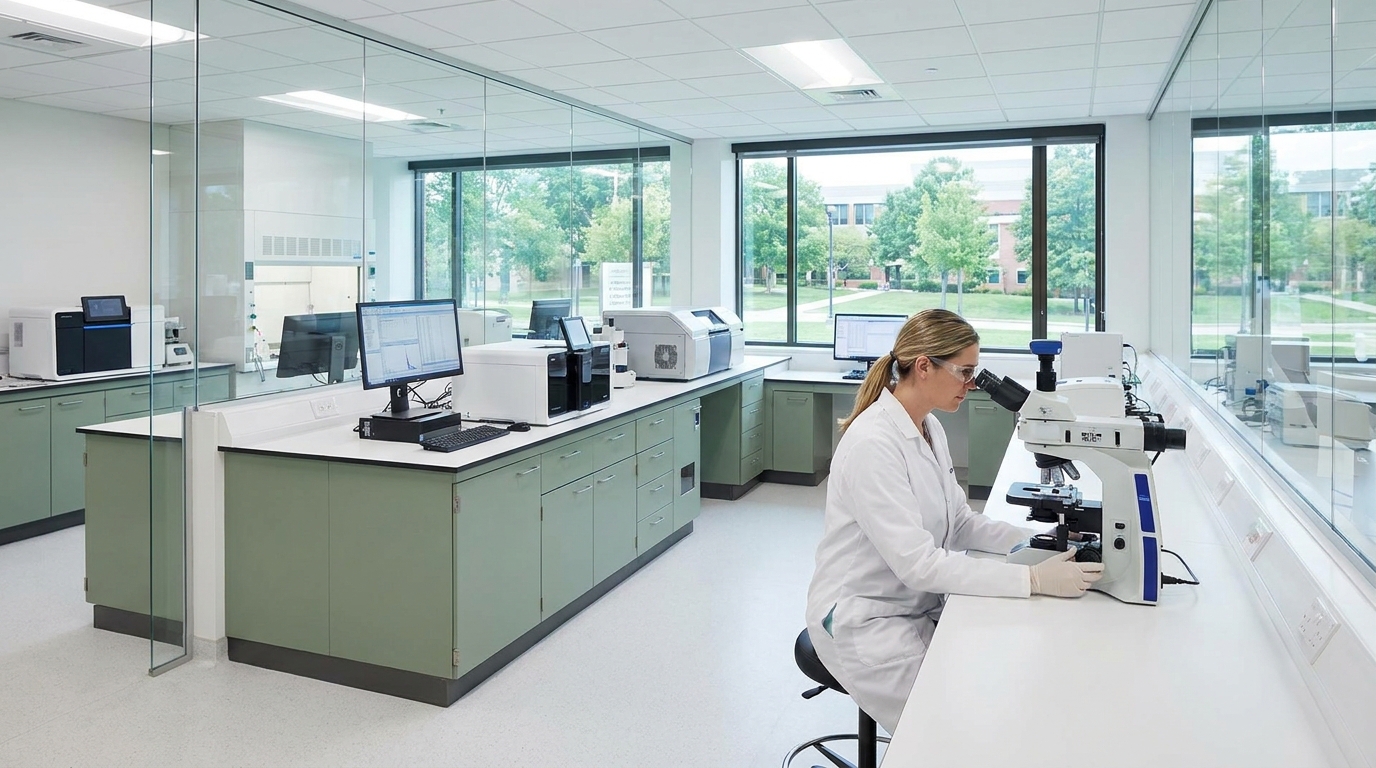
From pharmaceutical testing in our modern labs to your doorstep — professional care at every step.
Professional Sourcing
Every medication is sourced directly from licensed US manufacturers with full clinical documentation.
Pharmacist Verification
Our licensed team reviews every order for accuracy and safety before dispensing from our sterile facility.
Clinical Packaging
Sealed in medical-grade containers and placed in plain, unmarked exterior boxes for your privacy.
Fast, Tracked Delivery
Fully insured and tracked overnight shipping so your wellness routine never skips a beat.
Best Sellers
Trending Products
Our most-loved clinical wellness picks.
Hot
New
New
New
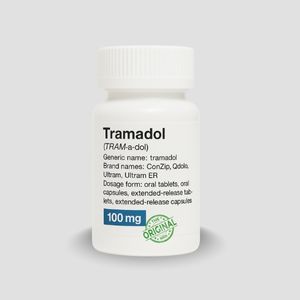
New
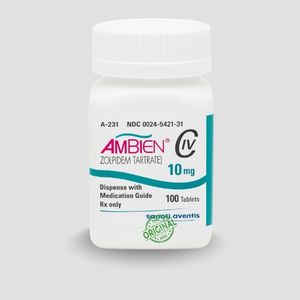
New
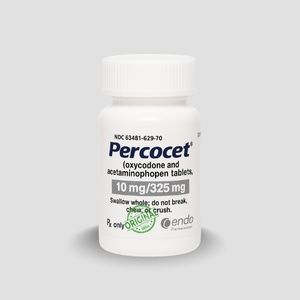
New
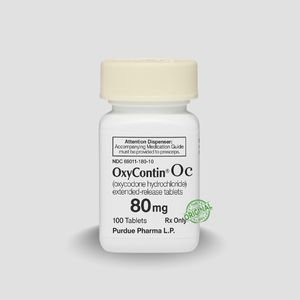
New
Just In
New Arrivals
Fresh wellness essentials, just landed in our apothecary.
New
New
New
New
New
New
New
Why Patients Trust Us
The LegitStore Index
Our clinical benchmarks for authenticity, privacy, and patient care.
Clinical Sourcing
Every product is 100% verified for authenticity and pharmaceutical purity.
Patient Privacy
Encrypted data and discreet shipping ensure your wellness journey is your own.
Expert Consultation
Licensed US pharmacists oversee every single order dispatched from our facility.

Trusted Results
Patient Testimonials
Real stories from patients who trust LegitStore.
"
Common Questions
Frequently Asked Questions
Yes. Our internet pharmacy is certified by the US Pharmacy Technician Certification Board (PTCB). Additionally, our reputation is built on the trust of more than a million customers. Clients' trust and safety are always at the core of our services.
Our internet pharmacy offers a range of prescription-based, genuine medications. Here, you can buy treatments for pain, anxiety, insomnia, ADHD, and more. We make both generic and branded products available for our valuable customers.
Yes. All medications available in our pharmacy are approved by the United States Food and Drug Administration. You can buy all the pills in their genuine form, which comes directly from the manufacturing units.
The products at our pharmacy may appear to be more affordable than those at other stores. This is because we purchase all the products directly from the manufacturers and pay no middleman commissions. Additionally, we operate with minimal manpower and charge only negligible commissions to make medications affordable for our customers.
Our pharmacy collaborates with leading shipping companies, including USPS and FedEx, to ensure the timely delivery of your products. Once the order is placed successfully, our courier partners take action and deliver it within the specified time.
Firstly, it's rare when our customers receive a wrong or damaged product delivery. However, if the issue occurs due to any mistake on our part, the refund and return option will be available. You can claim a refund within 7 days if you are not satisfied with the product delivered.
It's so simple. You can order the needed medication from our web pharmacy simply by following these steps;
- Visit our internet pharmacy
- Find the needed product and add it to the cart
- Confirm your order details and proceed to payment
- Provide payment details and complete the payment
That's it. Your order will be placed shortly, and you will receive a confirmation email.
Yes. Customers can buy medicines at our pharmacy even without a prescription. Our professionals manage free prescriptions for our customers.
Yes, our pharmacy does offer a price-match guarantee. If you find the same product for a lower price in our store, we will match it. However, it comes with some terms and conditions.
Never. Our pharmacy keeps your personal information 100% safe and undisclosed. We never share or sell your information with anyone else. From your name to your payment details, everything is safe with us.
We do not apply any hidden charges to your orders. Whether you are buying for the first time or are a regular customer, you will get the product at the same cost. However, during promotional programs, you will be allowed to purchase the same product at a reduced cost using a promotional code.